
Publisert 15.01.2026
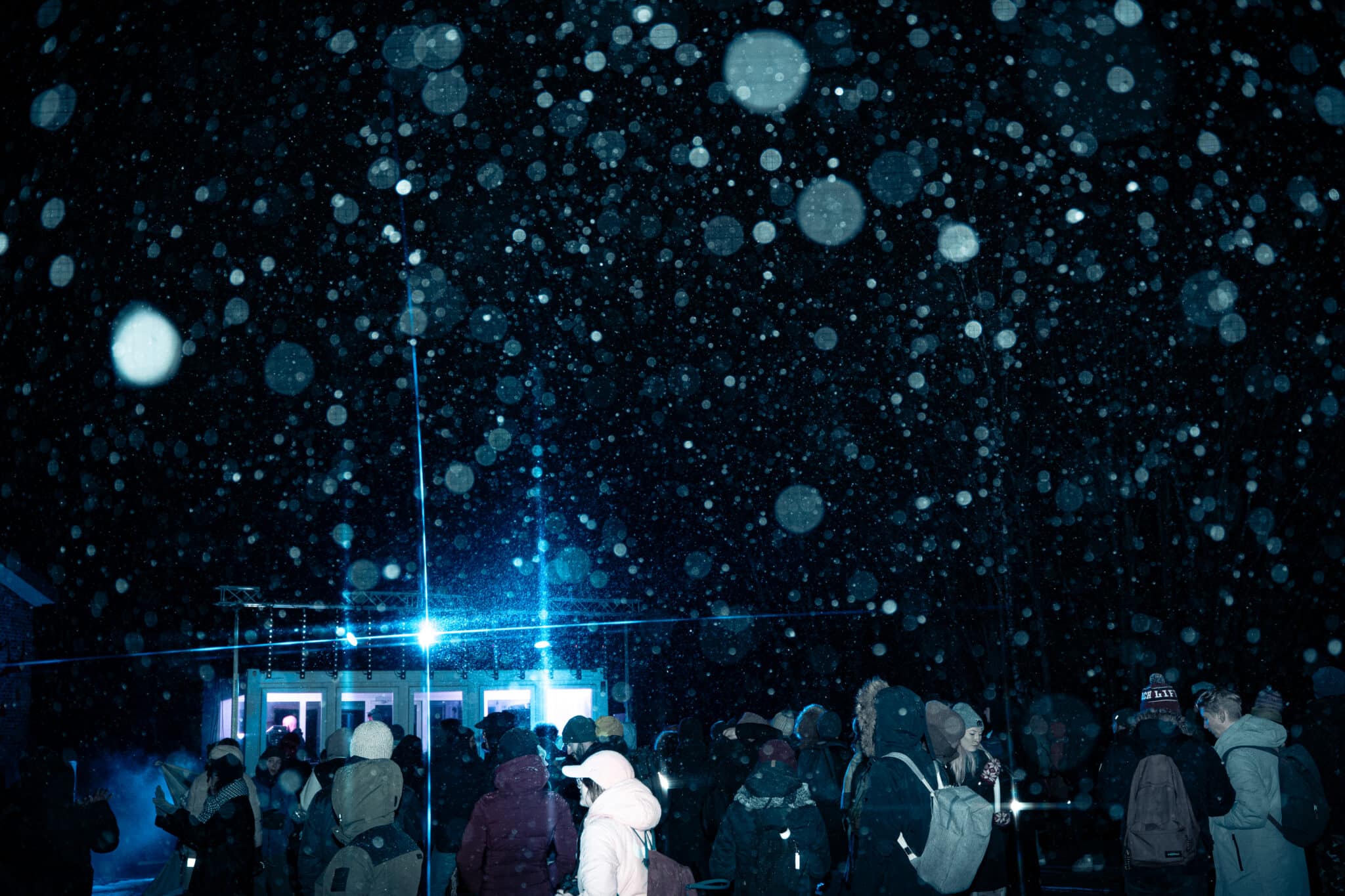
Frozen People Festival 2025 Photo: Vera Lakovaara/Oulu2026
European Capital of Culture is a program of the European Union (EU) aimed at promoting cultural diversity, increasing cultural exchange between European countries and highlighting the cultural heritage and creativity of each selected city. The Capital of Culture title is awarded annually to one or more cities, and the program offers these cities the opportunity to organize extensive cultural events and develop their cultural activities internationally.
Oulu2026 programme offers a multitude of activities, shows, performances, and more for the whole year.
The year kicks off with the Opening Festival on 16–18 January. The activities range from concerts to hockey, from panels to pub quizzes, and from art exhibitions to “tamppaus” parties. These events don’t only happen in Oulu but also the surrounding municipalities. This is an intentional part of the programme, to show the power of these municipalities coming together.
In this article we have listed some interesting events and included an interview with Aino Valovirta, a coordinator of Sámi culture for Oulu2026
The anniversary program also includes works featuring Norwegian artists. Stretch Further 2026 is a joint dance program that includes the Keđja Stretch event, the Kiertoliike Professional Forum and the OuDance festival. Partners come from Lithuania, Latvia, Estonia, Iceland, Norway, Sweden, Finland, Slovenia and the United Kingdom.
The Finnish-Norwegian Cultural Institute is collaborating with PhotoNorth – Northern Photographic Centre. More information on the collaboration will be announced in autumn 2026. Stay tuned for updates.
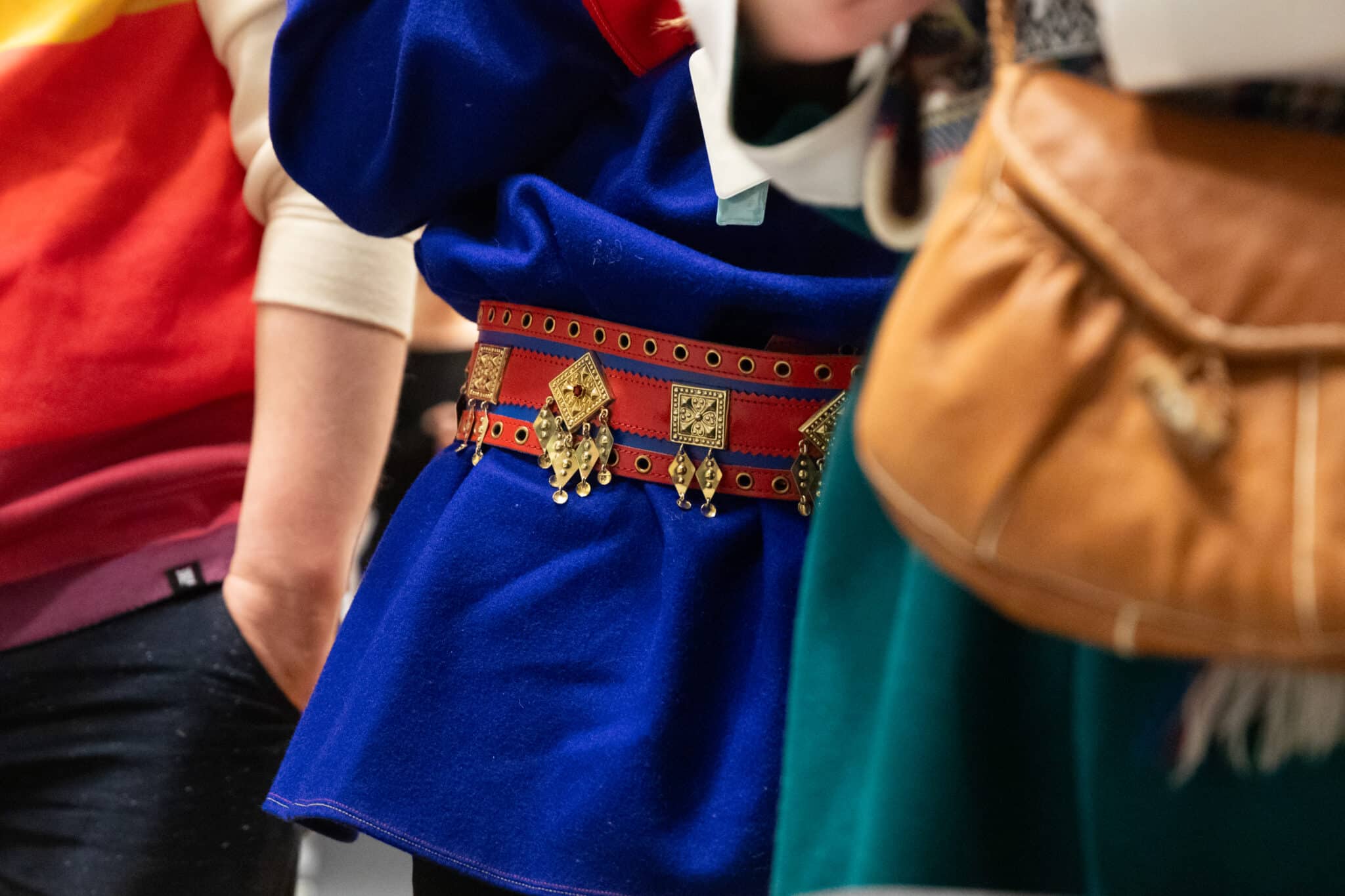
Photo: Sanna Krook
Sámi representation at Oulu2026
Oulu2026 has three programme coordinators, one of which, Aino Valovirta, is focused on Sámi culture. Sámi culture is presented in a variety of ways in the Oulu2026 programme. The programme includes opera, concerts, visual arts and seminars. The annual highlight is the Sámi National Day on 6 February.
Sámi duodji, art and events will fill the Oulu Art Museum from mid-January to early May 2026. The exhibition “Eanangiella – Maan kieli” at the Oulu Art Museum will allow the public to explore the diversity, perseverance and resilience of Sámi culture. The exhibition features around 70 artists and duojárs from Sápmi. Its themes focus on ancestors, between worlds, land, green colonialism and the ornaments of life. Exhibition visitors will experience multi-media contemporary art, and art historical pieces, duodji Sámi handicrafts from different generations, as well as soundscapes. As part of the exhibition, the Sápmi Triennale touring exhibition will also be shown, which will be intertwined alongside the rest of the exhibition.
The exhibition is curated by Sámi artists Inga-Wiktoria Påve, Fredrik Prost, and Áilu Valle. The name of the exhibition, Eanangiella – Voice of the Land refers to the nature, as the majority of the materials used in duodji come from nature.
The Finnish-Norwegian Cultural Institute has supported networking between Oulu2026 organisation, Oulu based cultural professionals and Sámi organisations on the Norwegian side of Sápmi.
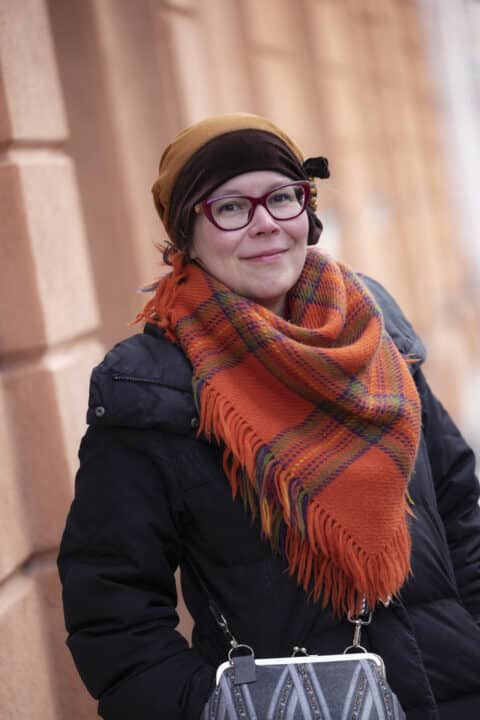
Interview with Aino Valovirta, coordinator of Sámi culture for Oulu2026
International cooperation is visible in the Oulu2026 programme in a multitude of ways. How do you see the potential of this type of cooperation? What does international cooperation make possible?
“The Sámi cultural programme is international by default as the Sámi live across four national states. For example, the exhibition Eanangiella, opening at the Oulu Art Museum on the 16th of January, has a lot of works loaned from Sámi Dáiddamagasiidna, a collection of Sámi art located in Karasjok, Norway. Two of the curators of the exhibition, Inga-Wiktoria Påve and Fredrik Prost, are from the Swedish side of Sápmi. Their working language with the third curator, Áilu Valle, is Northern Sami, which makes things easier.
International cooperation creates possibilities for a wider network of professionals and partners and new types of offerings in Oulu2026. These also have long-term effects because networks and know-how will keep after 2026, and the cooperation will hopefully continue in different ways.”
“– I hope that the people in the area get to experience a variety of cultural offerings, to engage with it, and that they experience it to be theirs. At least for me, in these times culture offers me, on the one hand, new ideas, and on the other, a space to process despair and grief.”
What kind of long-term effects do you hope the Oulu2026 programme will have? What kind of effect do you hope the year as a European Cultural Capital leaves on Oulu and its surrounding municipalities?
“Oulu2026’s goal is cultural climate change. I hope that regarding Sámi culture, it means wider offerings of Sámi culture for a multitude of audiences, new networks and partners for the professionals in the area, increased work opportunities for Sámi artists here and elsewhere, and spreading awareness of the Sámi people. Overall, for the Oulu2026 programme, I hope that the people in the area get to experience a variety of cultural offerings, to engage with it, and that they experience it to be theirs. At least for me, in these times culture offers me, on the one hand, new ideas, and on the other, a space to process despair and grief. It can move and inform, comfort and annoy – all of this is needed!”
In the programme, there’s already internationally travelled art (Sápmi Triennale). Is there a piece that gets its premiere as a part of the programme for Oulu2026?
“Sápmi Triennale is becoming a part of Eanangiella exhibition, so there will be plenty of new pieces even if you have already seen the Triennale in for example Bodø, Karasjok or Rovaniemi. Another big, brand new Sámi production is Ovllá Opera, which has its world premiere on the 16th of January. The opera is composed by Cecilia Damström together with the Sámi artists performing in the work. Juho-Sire, Siri Broch Johanssen, a Sámi, has written the libretto in Northern Sami and Finnish and the opera is subtitled in Northern Sami, Finnish, and English. The opera is a cooperation between Oulu Theatre and Oulu Symphony, with partner Beaivváš, a Sámi national theatre based in Kautokeino, Norway.”
Do you have a pick from the programme that might interest Norwegian audiences?
“I think both Eanangiella and Ovllá might be of interest to Norwegians. In addition to those I’d also mention the Frozen People festival on February 28. It combines electronic music with Northern art and it’s held in Nallikari, which might be familiar to a lot of Norwegians from the summer time, and on sea ice (if there’s any).”
Be sure to check out Aino’s other tips from the programme below:
Previous European Capitals of Culture in Finland were Helsinki in 2000 and Turku in 2011. Oulu will be the European Capital of Culture in 2026.